Every homelabber reaches a point where running htop and df -h in a loop simply isn’t enough anymore. When your self-hosted ecosystem grows, having real-time, historical visibility into your hardware becomes a necessity.
This is the story of my newly found love for Grafana and how I set up a robust, visually stunning monitoring stack for my personal homelab repository, night-tower.
When the servers go down and the panic sets in, the last thing you want to search for is a missing login credential or configuration file. Here is how I built a lightweight, private, and future-proof “Codex” using nothing but Git and Markdown.
If you have ever wanted a Tamagotchi-like digital pet that feeds on WPA handshakes instead of virtual snacks, you need a Pwnagotchi. After losing my first one on a bus somewhere, I decided it was time to build a replacement.
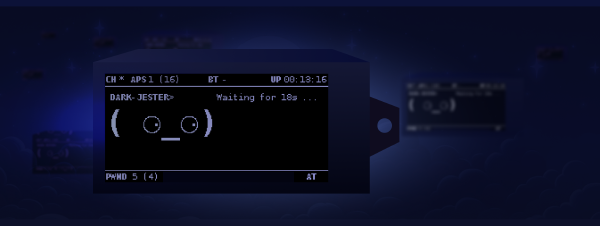
When was the last time you checked what was actually happening inside your local network? After losing my Pwnagotchi on a bus somewhere (doing its own business, I’m sure), I decided it was time to deploy a Netgotchi.
Self-hosting your automation is the ultimate way to maintain data privacy, gain unlimited execution runs, and bypass Zapier’s costly subscription tiers. Here is a complete guide to installing and running n8n.io on an Ubuntu server.
Theory is great, but nothing beats seeing how automation actually solves messy, real-world tech bottlenecks. Here are six practical ways developers and sysadmins combine Bash and n8n to get things done.
If you are running the Steam client on Debian (or other Linux distros) and the user interface is flickering like a broken neon sign, you aren’t alone. Fortunately, the fix takes less than thirty seconds.
When corporate security failures occur, it is rarely because the solutions are too expensive. It is usually because organizations fail to adopt the basic, simple workflows that protect their developers—like proper SSH key management.
Tired of grainy, pixelated GIFs that look like they were made in 1995? With FFmpeg, you can generate crisp, high-quality GIFs from any video in just two simple commands.
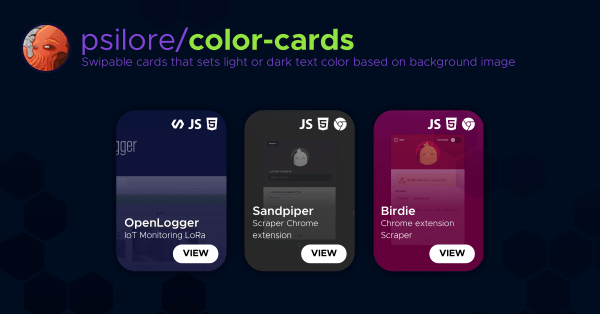
Ever wanted your user interface to automatically adapt to the colors of its content? Generating dynamic card gradients from prominent image colors is a great way to make your design feel responsive, premium, and alive.
If you are developing inside Docker containers on macOS, you’ve probably faced the dreaded, coffee-break-inducing startup times. Here is how I slashed my container spin-up times from a painful 10 minutes down to just under 4 seconds using Docker Sync.
Can you spin up a fully functioning headless CMS and configure a database in under an hour? I challenged myself to deploy Strapi.io on my lunch break, and the results were surprisingly smooth.