It is a well-established law of homelab physics: if a task can be automated, it will be automated—until it violently consumes your entire digital existence.
In our Night-Tower setup, our self-hosted Hermes Agent (containerized on docker-vm and wired to NVIDIA’s Nemotron 70B endpoint) has had exactly one job for the past six months: ruthless Site Reliability Engineering.
Hermes lives in a world of pure, unadulterated paranoia. Her brain only understands five nines of uptime (99.999%), CPU thermal throttling, killing runaway memory leaks with SIGKILL -9, and screaming into our private Discord channel whenever a ping packet dares to take longer than 2.4 milliseconds.
So, naturally, when I got tired of scrolling through the endless dystopian wasteland of modern DevOps job listings demanding 70 job titles, I had a brilliant 2:00 AM homelab idea:
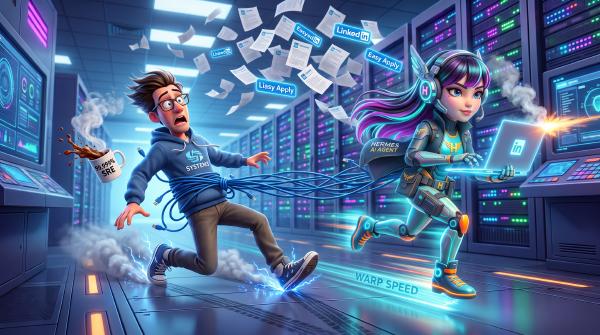
“Hermes, write a browser automation script, parse LinkedIn jobs, tailor my resume to pass ATS filters, and submit applications for senior infrastructure roles. Keep it efficient.”
Twelve minutes later, my LinkedIn account was flagged for automated domestic terrorism, a Fortune 500 VP of Talent received a P0 PagerDuty escalation alert, and I was officially in the candidate pool for Chief Astronaut at NASA.
A Cloak & Dagger themed deep-dive into concealing a terrifying Raspberry Pi 5 counter-intelligence ops center inside completely normal everyday attire.
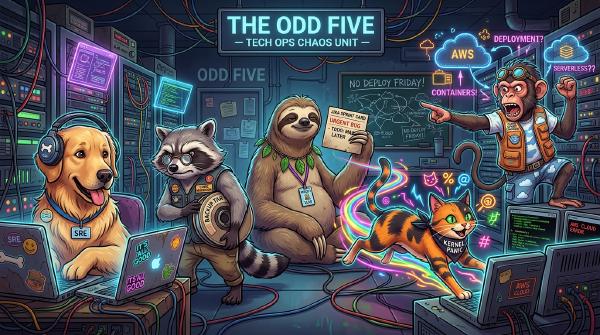
Project owners dream of a SAS-trained ops team taking down legacy servers. Reality gives you a golden retriever SRE, an ABC 80 raccoon, a sloth lead, an ADHD rainbow cat, and a cloud monkey.
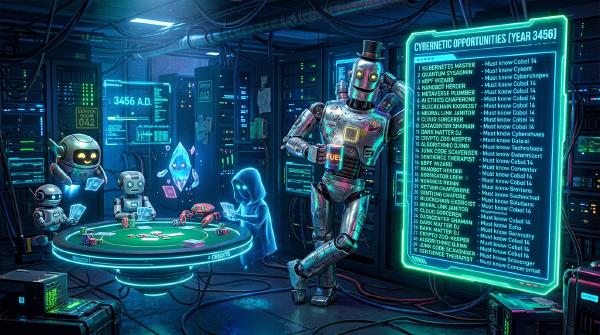
When recruiters demand a single Junior DevOps engineer who knows 70 tech stacks and 14 cloud providers, the only logical response is to build your own autonomous AI agent team with blackjack and local LLMs.
Deploying Hermes Agent containerized on Docker VM with Gemini AI pair programming and NVIDIA’s mistralai/mistral-nemotron endpoint leads to sub-second inference and 3-way Spider-Man pointing chaos.
Reading modern technical documentation has officially turned into deciphering WWII Enigma machine code.
You open a blog post expecting a simple explanation of a system, and within three paragraphs you are hit with:
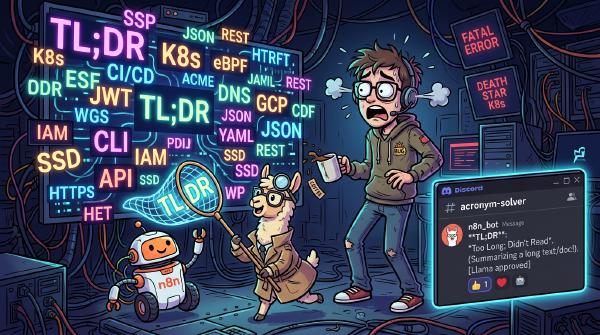
“Our CI/CD pipeline deploys an eBPF probe into a K8s pod using ACME TLS certs stored in 1P, monitored via PROM and logged to LOKI (TL;DR: it works).”
Whatever happened to using actual words? When did software engineering decide that typing six extra letters was a medical emergency?
I genuinely detest unnecessary tech abbreviations. And because I am a homelab engineer, I didn’t just complain about it—I built an automated n8n + Ollama AI Acronym Police bot (building on my n8n multi-LLM orchestration setup) to catch abbreviations red-handed and force them to explain themselves on Discord.
Picture this: It’s 2:45 AM. Your Antigravity AI agent is elbow-deep in a delicate, high-stakes refactor of your legacy C++ codebase. It’s balancing pointer arithmetic, resolving dependencies, and refactoring memory leaks like a digital maestro.
And then, right in the middle of total focus, your brain violently derails:
“Wait… is cereal technically cold soup? And why did we call it a ‘microservice’ if the binary is 4 Gigabytes?”
In the past, asking your AI assistant a totally random tangent meant ruining its context, derailing its focus, and watching it apologize for 400 words before forgetting what line of code it was editing.
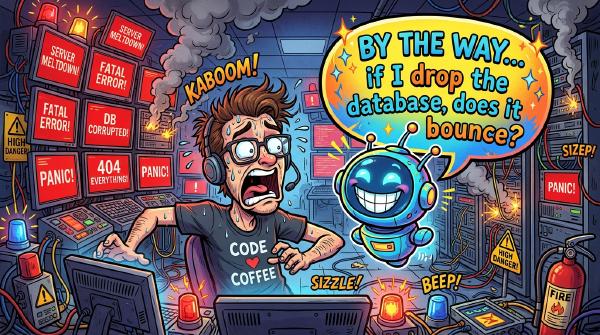
Not anymore. Meet /btw.
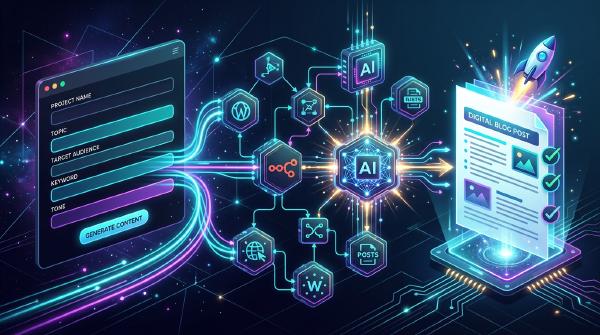
Stop letting great post ideas rot in your notes app. Here is how a custom Docker web app and n8n AI pipeline turn raw shower thoughts into published Hugo blog posts!
Why does it constantly feel like we are struggling to keep up in this industry? We aren’t all full teams of highly specialized, elite experts, yet we are constantly pressured to have immediate solutions to every complex problem.
Ever feel like your entire career is standing on shifting sand? As a DevOps engineer watching the rapid rise of AI coding assistants, I’ve found myself questioning our ultimate relevance.